What Exactly is an Impact Crusher & How Does It Get the Job Done?
Ever wondered what turns rugged quarry rock into the perfect gravel for your driveway or recycled concrete into new building materials? Meet the powerhouse behind the process: the impact crusher. Forget simple crushers that just squeeze rock; this machine operates on a raw, physical principle familiar from childhood – the satisfying, destructive force of one object slamming into another at speed. It’s brute-force physics engineered for precision, making it a fundamental driver in modern construction, mining, and recycling. Let’s break down what makes it tick.
The Core Idea: Smash, Don’t Squeeze
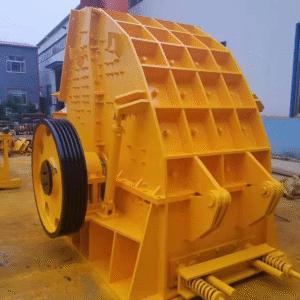
At its heart, an impact crusher is all about violent impact and controlled shattering. Here’s the simple genius: massive hammers or blow bars, rigidly fixed to a spinning rotor, hurl incoming material against solid steel aprons or anvils lining the crusher’s housing. Unlike jaw or cone crushers that use gradual compression, impact crushers deliver explosive, high-speed collisions. This “smash party” doesn’t just break rock; it shears and fractures it along natural fault lines, creating a more uniform, cubical end product. This characteristic shape is gold in construction—it locks together tightly for stable road bases and strong concrete.
More Than Just a Rock Breaker: The Hidden Agility
What truly sets modern impact crushers apart is their chameleon-like ability to adapt on the fly. A key feature? An adjustable primary apron or grinding path. By simply moving this apron closer or farther from the rotor, operators can dial in the exact product size they need without stopping the machine. Need coarse aggregate for drainage? Set a wider gap. Need fine material for asphalt chips? Tighten the gap. This real-time adjustability, combined with variable rotor speeds, makes it incredibly versatile for processing everything from soft limestone to tough, recycled asphalt shingles. It’s this flexibility that makes it a favorite for contract crushing jobs where specs change daily.
The Workhorse of Recycling and Beyond
While great in quarries, the impact crusher truly shines as a recycling hero. Its hammer-impact action is perfectly suited for demolishing concrete, bricks, and asphalt, liberating rebar and other metals for easy removal. The machine’s aggressive throw action also helps keep it from clogging on tangled, wiry materials—a common headache in demolition debris. This makes it the central piece of equipment for turning urban waste into valuable secondary aggregates, closing the loop on construction materials and drastically cutting down landfill use. It’s not just processing rock; it’s actively rebuilding our urban environment.
Choosing Impact: Key Considerations
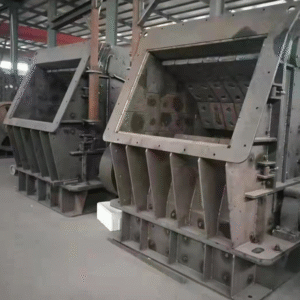
So, is an impact crusher right for your project? Consider your material. They excel on medium-hard to non-abrasive rock and are champions of recycling. However, for extremely hard, abrasive granite, the wear on hammers and liners can be costly; a compression-style cone crusher might be tougher in that scenario. Also, consider product shape needs. If you require perfectly cubicle aggregates for high-spec concrete or asphalt, impact crushing is often the go-to method. It’s about matching the machine’s aggressive, shaping strengths to your specific material and end-goal.
In the end, an impact crusher is more than just a piece of heavy metal. It’s a dynamic, adaptable system that applies raw force with surprising control, turning brute impact into valuable, usable product. From shaping the foundations of our roads to breathing new life into demolished buildings, its role is foundational to a working, sustainable world.