Small Aggregate Crusher
What is a Small Aggregate Crusher? A Compact Solution for Material Size Reduction
A small aggregate crusher is a compact, mobile, or semi-fixed machine designed to break down larger rocks, stones, concrete, and other hard materials into smaller, graded aggregates such as gravel, crushed stone, or sand. These units are characterized by their relatively small footprint, lower production capacity (typically ranging from 1 to 100 tons per hour), and flexibility compared to their large-scale stationary plant counterparts. They are ideal for projects with limited space, moderate aggregate demand, or the need for on-site mobility.
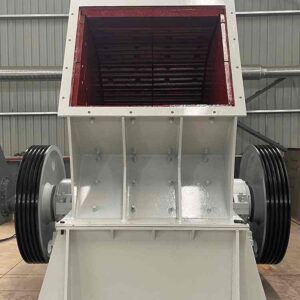
Main Types of Small Aggregate Crushers
Several crusher types fall under the “small aggregate crusher” category, each suited for different materials and output specifications:
Small Jaw Crusher: Uses compressive force between a fixed and a moving jaw plate. Ideal for primary crushing of hard, abrasive materials.
Small Cone Crusher: Utilizes a rotating mantle within a concave bowl for secondary or tertiary crushing, producing well-shaped, fine aggregates.
Small Impact Crusher (Horizontal Shaft Impactor – HSI): Employs high-speed impact to break materials, suitable for softer, less abrasive materials and excellent for producing cubical products.
Small Hammer Crusher: Uses high-speed rotating hammers to impact and shatter materials, effective for crushing brittle materials of medium hardness.
Small Mobile Crusher Plant: Integrates a crusher (often jaw or impact) with a feeder, screen, and conveyors on a single tracked or wheeled chassis for ultimate mobility.
Materials a Small Aggregate Crusher Can Process
These versatile machines can crush a wide range of materials, including but not limited to:
Natural Rocks: Limestone, granite, basalt, sandstone.
Construction & Demolition (C&D) Waste: Recycled concrete, bricks, asphalt.
Industrial By-products: Slag.
Ores: Although less common for aggregate purposes, some models can handle certain ores.
The specific suitability depends on the crusher type, hardness, abrasiveness, and moisture content of the material.
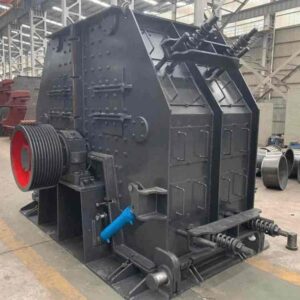
Key Industries and Applications for Small Aggregate Crushers
Construction & Road Building: Producing aggregates for concrete, asphalt, road base, and backfill on small to medium sites.
Demolition & Recycling: On-site recycling of concrete and asphalt rubble into reusable aggregate, reducing disposal costs and transportation.
Landscaping & Agriculture: Creating gravel for pathways, drainage, and decorative purposes.
Small-scale Mining & Quarrying: Primary crushing in small pits or mines.
Rental Sector: Popular equipment for rental companies due to its versatility and ease of transport between job sites.
Distinctive Features and Advantages of Small Aggregate Crushers
Compact Size & Mobility: Easy to transport (many are trailer-mounted or tracked) and set up in confined spaces.
Lower Investment Cost: More affordable purchase price and operational cost compared to large stationary plants.
Energy Efficiency: Consumes less power due to smaller scale.
Operational Flexibility: Can be used as standalone units or in small production lines; easily relocated.
Ease of Operation & Maintenance: Generally simpler to operate and maintain, with easier access to key components.
Environmentally Friendly: Enables on-site recycling, significantly reducing truck traffic and associated emissions for material hauling.
How to Choose the Right Small Aggregate Crusher: A Buyer's Guide
Clients should consider the following factors:
Material Properties: Hardness, abrasiveness, size, and moisture content determine the suitable crusher type (e.g., jaw for hard rock, impact for concrete).
Required Output Size & Shape: Define the final product specifications (e.g., 0-5mm sand, 10-20mm gravel). Cone and impact crushers offer better shape.
Production Capacity (TPH): Match the crusher’s hourly output with your project’s daily/weekly needs.
Mobility Needs: Choose between trailer-mounted, skid-mounted, or tracked models based on site accessibility and frequency of relocation.
Power Source: Options include diesel engine (for remote sites) or electric motor (for sites with grid power, offering lower operating noise and cost).
After-sales Service & Parts Availability: Ensure the manufacturer or supplier can provide timely technical support and spare parts.
Budget: Consider total c
Frequently Asked Questions (FAQ) About Small Aggregate Crushers
We understand that standard configurations may not fit every application. We offer customized solutions for the C110, including specific liner designs, motor selections, and mounting options to perfectly integrate with your plant layout and process flow. Furthermore, we supply a full range of high-quality, compatible Frequently Replaced Quarry (FRQ) parts and other aftermarket components (like jaw dies, cheek plates, toggle plates) to ensure optimal performance and minimized downtime.
Q: Can a small crusher handle reinforced concrete?
A: Yes, many small jaw or impact crushers can, especially those equipped with overband magnets to remove rebar. However, very thick rebar may pose challenges.
Q: What is the typical lifespan of a small aggregate crusher?
A: With proper maintenance and depending on material abrasiveness, key components like jaws/liners can last hundreds to thousands of hours. The overall frame can last for many years.
Q: Is it possible to get a consistent product size?
A: Yes, by using a crusher with adjustable discharge settings and often pairing it with a vibrating screen to separate and recirculate oversized material (in a closed-circuit setup).
Q: Do I need special permits to operate one?
A: Regulations vary by location. Mobile units operating on-site may have fewer permit requirements than fixed plants, but always check local noise, dust, and environmental regulations.
Q: Can I rent a small aggregate crusher?
A: Absolutely. Renting is a popular and cost-effective option for short-term projects or to test a machine before purchase.