What is a Secondary Crusher? The Key to Precision Crushing
In the world of aggregate production, mining, and quarrying, crushing is a multi-stage process designed to efficiently reduce large rocks into specific, usable products. While the primary crusher handles the initial size reduction, the Secondary Crusher is the crucial machine responsible for the next phase: refining the material to the desired size and shape.
Simply put, a secondary crusher takes the coarse output from the primary crusher and processes it further. It is the workhorse that ensures your final product meets precise specifications for applications in construction, road building, cement, and more.
What Are the Types of Secondary Crushers?
Secondary crushers are not one-size-fits-all. The choice depends on the material’s hardness, abrasiveness, and the desired end product. The most common types include:
Cone Crushers: The most popular choice for hard and abrasive materials like granite and basalt. They use a gyrating spindle inside a concave hopper to crush rock through compression. Ideal for producing fine, well-graded aggregates.
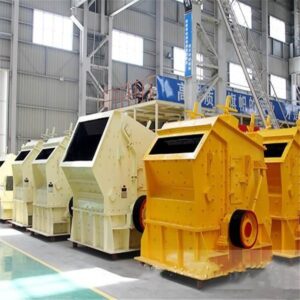
Impact Crushers: Perfect for softer, less abrasive materials like limestone and recycled concrete. They use high-speed impact forces (hammers or blow bars hitting the rock) to fracture it. Excellent for producing a cubical product shape.
Roll Crushers: Best for friable and soft materials like coal and salt. They crush material between two counter-rotating cylinders. Known for producing a uniform product with minimal fines.
Horizontal Shaft Impactors (HSI): A specific type of impact crusher known for high reduction ratios and excellent shape control, often used in limestone and asphalt recycling.
The Vital Role and Function of a Secondary Crusher
Why is the secondary crushing stage so important? Its core functions are:
Size Reduction: It further reduces the rock size from typically 100-250mm down to 0-50mm, creating manageable and marketable products.
Product Shaping: This is a critical role. Secondary crushers, especially cone and impact crushers, are engineered to produce a cubical, well-shaped product. This is essential for the strength and durability of concrete and asphalt.
Controlling Fines Generation: Different crushers produce different amounts of fine material (dust). Selecting the right secondary crusher allows operators to control this output based on market demand.
Improving Efficiency: By taking on the refining workload, the secondary crusher allows the primary crusher to operate more efficiently at its designed coarse setting, optimizing the entire crushing circuit.
Key Features and Advantages of a Modern Secondary Crusher
Investing in a high-quality secondary crusher brings numerous benefits to your operation:
High Efficiency and Productivity: Advanced designs and robust motors ensure maximum throughput, processing more material in less time.
Superior Product Quality: Consistent production of well-shaped, in-spec aggregate increases the value of your end product.
Reliability and Durability: Built with high-strength materials and wear-resistant components to withstand demanding operating conditions and reduce downtime.
Automation and Control: Modern crushers come with advanced control systems (like ASRi for cone crushers) that automatically optimize performance and protect the machine from damage.
Versatility: Many models offer adjustable settings, allowing you to produce a range of different product sizes to meet various customer needs.
Lower Operating Costs: Efficient crushing action and easy access for maintenance reduce long-term operational and wear part replacement costs.

We Provide the Perfect Secondary Crusher Solution for Your Needs
OUR is a trusted leader in providing robust and efficient crushing solutions. We understand that every project has unique challenges and requirements. That’s why we offer a comprehensive range of high-performance Secondary Crushers to meet your specific goals.
What we can provide for you:
Expert Consultation: Our team of specialists will work with you to analyze your material and production goals, recommending the ideal type of secondary crusher (Cone, Impact, or HSI) for your application.
Top-Tier Equipment: We supply reliable crushers from leading manufacturers, known for their innovation, durability, and superior performance.
Customized Solutions: Whether you need a stationary plant or a mobile crushing setup, we can configure a system that integrates seamlessly into your existing operation.
Full Support & Service: From installation and commissioning to ongoing maintenance, spare parts, and technical support, we are with you every step of the way to ensure maximum uptime and profitability.
Ready to optimize your crushing circuit and produce higher-quality aggregate? Contact [Your Company Name] today to discuss your project and discover how our secondary crusher solutions can drive your success.
Diesel Power Option
Our Tyre Mobile Crushers are available with a powerful and reliable diesel generator set. This self-contained power solution provides complete operational independence, allowing you to work in remote locations or on greenfield sites where grid power is unavailable. It ensures consistent performance and crushing power wherever your project takes you.
Custom Solutions for Your Specific Needs
We understand that standard models may not fit every unique requirement. Therefore, we offer comprehensive customization services. Our engineering team can work with you to design and build a Tyre Mobile Crusher tailored to your specific needs. Customization options include:
Choice of Crusher Type: Configure with a jaw crusher (for primary crushing), impact crusher (for secondary crushing and recycling), cone crusher (for fine crushing), or hammer crusher.
Specific Screen and Conveyor Setups: Tailored to produce the exact product sizes and grades you require.
Hopper and Feeder Modifications: Designed for your specific material type and feed size.
Additional Features: Such as enhanced dust suppression systems, magnetic separators, or noise reduction enclosures.