
mining cone crusher
Table of Contents
A Primary Jaw Crusher is a robust and durable piece of equipment designed for crushing various materials into smaller sizes. It serves as the first step in the crushing process, especially for large, hard rocks or ores. The primary jaw crusher is typically used to break down large quantities of material at the initial stage, making it an essential part of mining and construction operations.
The Primary Jaw Crusher includes several types of jaw crushers, including:
Single Toggle Jaw Crusher – Features a swing jaw that moves in an elliptical motion, providing higher productivity.
Double Toggle Jaw Crusher – Utilizes two toggle plates to provide more crushing force, making it ideal for more challenging materials.
Mobile Jaw Crusher – This is a portable version that can be moved easily to different locations for mobile crushing applications.
Heavy Duty Jaw Crusher – Designed for heavy-duty crushing operations, this type can handle tougher materials and more extensive workloads.
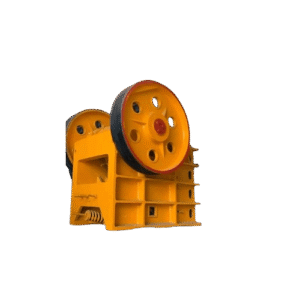
The primary jaw crusher is designed to reduce the size of large rocks, ores, or minerals. At the beginning of the crushing process, large raw materials are fed into the jaw crusher, which breaks them down into smaller sizes. This is crucial for further processing in subsequent crushers, such as cone crushers or impact crushers. The primary jaw crusher ensures that the material is evenly sized and prepared for secondary or tertiary processing.
A primary jaw crusher is versatile and can handle a wide variety of materials, including:
Hard Rocks – Granite, basalt, quartz, and other tough materials.
Ores – Iron ore, copper ore, gold ore, and other metal ores.
Construction Materials – Limestone, concrete, and bricks.
Recycling Materials – Asphalt and concrete waste.
The primary jaw crusher has several features that make it efficient and effective:
Robust Design – Built to withstand harsh operating conditions.
High Crushing Capacity – Can handle large amounts of material at once.
Easy Maintenance – Designed for easy maintenance and replacement of wear parts.
Efficient Performance – High crushing ratio, low energy consumption, and low noise during operation.
Adjustable Discharge Size – The output size can be adjusted to meet specific requirements.
The working principle of a primary jaw crusher involves a movable jaw and a fixed jaw. The material is fed into the crusher, where the movable jaw compresses it against the fixed jaw. The force generated by the compression of the jaw moves the material forward, breaking it into smaller pieces. The crushed material then passes through the discharge area and exits the machine. The motion of the jaw is typically driven by an eccentric shaft, which is powered by an electric motor.
Choosing the right primary jaw crusher depends on several factors:
Material Type – Consider the hardness, size, and type of material you will be crushing.
Production Capacity – Choose a model that can handle the volume of material you need to process.
Output Size – Ensure the jaw crusher can produce the required particle size for your next stage of processing.
Space Constraints – Consider whether you need a stationary or mobile jaw crusher depending on your site’s requirements.
The models and specifications of primary jaw crushers vary based on the manufacturer and the model type. Common specifications to consider include:
Feed Size – The maximum size of the raw material the crusher can handle.
Output Size – The final size of the crushed material.
Crushing Capacity – Measured in tons per hour (tph), it represents the throughput capacity of the crusher.
Motor Power – The horsepower or kilowatt rating of the motor driving the machine.
Weight and Dimensions – These affect the mobility and installation requirements of the crusher.
At our company, we offer the option to customize the Primary Jaw Crusher to suit your specific needs. We can adjust various aspects, including size, material, motor power, and other features to meet your production requirements. This ensures that your jaw crusher operates at peak performance and meets your unique operational demands.
What is the difference between a Primary Jaw Crusher and a Secondary Jaw Crusher?
A Primary Jaw Crusher is used for the initial size reduction of large materials, while a Secondary Jaw Crusher is used for further reduction of the material after it has been processed by the primary crusher.
Can a Primary Jaw Crusher be used for very hard materials?
Yes, primary jaw crushers are designed to crush even hard materials like granite and basalt. However, the type of jaw crusher and its specifications should be chosen based on the material’s hardness.
How long does a Primary Jaw Crusher last?
With proper maintenance, a primary jaw crusher can last several years. However, wear parts like jaw plates may need to be replaced periodically.
What are the maintenance requirements of a Primary Jaw Crusher?
Regular checks for wear, lubrication, and part replacements are essential for maintaining optimal performance. Inspections should be performed on the bearings, flywheel, and jaw plates.
Related Pages
Table of Contents
Table of Contents
Table of Contents
Table of Contents What Ex
Table of Contents
Table of Contents