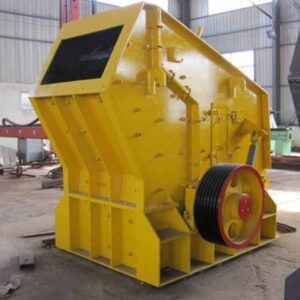
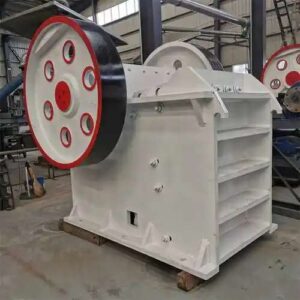
What is a Large Jaw Crusher?
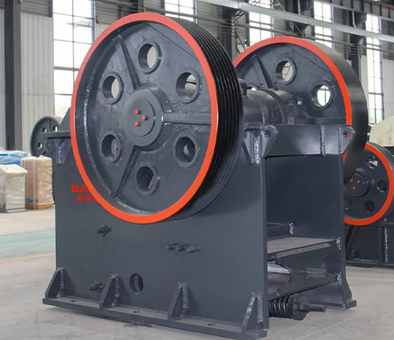
A large jaw crusher is a heavy-duty machine primarily used in mining, construction, and aggregate industries. It’s designed to crush large volumes of rock and minerals, turning them into smaller, manageable pieces. The jaw crusher has a robust construction, capable of handling tough materials such as granite, basalt, and limestone. The size of the crusher’s jaw opening determines its capacity, with larger jaws able to process bigger rocks. Large jaw crushers are often used as primary crushers, providing the first stage of reduction before the material is further processed.
Key Features of a Large Jaw Crusher and Its Ideal Industries
Large jaw crushers are known for their ability to handle substantial amounts of material and operate efficiently in various demanding industries. Some of the key features include:
High Capacity: These crushers are designed to handle larger quantities of material with high throughput rates.
Durability: Built with robust materials, large jaw crushers are engineered to withstand heavy workloads and harsh environments.
Adjustable Discharge Settings: Many models feature adjustable discharge settings that allow users to control the final product size.
Ease of Maintenance: The simple mechanical design of jaw crushers makes them easy to maintain, with accessible parts and straightforward operation.
Industries that benefit from large jaw crushers include:
Mining
Quarrying
Construction
Recycling
Materials a Large Jaw Crusher Can Process and Material Requirements
Large jaw crushers are versatile and capable of processing a wide range of materials. These materials typically include:
Hard Rock: Granite, basalt, and quartz are some examples.
Soft Rock: Limestone, sandstone, and gypsum.
Construction Waste: Concrete, brick, and asphalt.
Minerals: Copper ore, iron ore, and coal.
Material requirements for the operation of a large jaw crusher include:
Size Requirements: The feed material must be below the maximum feed size recommended for the specific model.
Moisture Content: High moisture content in the material may require additional drying equipment or adjustments to the crusher’s operation.
Hardness and Abrasiveness: Harder materials like granite require more powerful crushers, while softer materials can be processed with less force.
Materials a Large Jaw Crusher Can Process and Material Requirements
Here is a summary of different models of large jaw crushers and their specifications:
| Model | Feed Opening (mm) | Max Feed Size (mm) | Capacity (t/h) | Motor Power (kw) | Weight (kg) |
|---|
| Model A | 1000 x 1200 | 800 | 600 | 220 | 25,000 |
| Model B | 1200 x 1500 | 1000 | 800 | 250 | 35,000 |
| Model C | 1500 x 1800 | 1200 | 1000 | 300 | 45,000 |
These models vary depending on the required output and material size.
Working Principle of Large Jaw Crusher
The working principle of a large jaw crusher is based on the compressive force exerted on the material. When the material is fed into the crushing chamber, the movable jaw, which is attached to a swing mechanism, moves towards the fixed jaw. This action breaks the material into smaller pieces as the gap between the two jaws narrows.
Feed Material: The material is fed into the crusher through the top opening.
Crushing Action: The movable jaw moves back and forth, crushing the material against the fixed jaw.
Discharge: After sufficient crushing, the material is discharged from the bottom.
Advantages of a Large Jaw Crusher and How to Choose One
A large jaw crusher offers several advantages:
High Capacity: It can process large amounts of material at high speeds, making it ideal for large-scale operations.
Durability: Built with tough materials, it can withstand the rigors of continuous use.
Ease of Maintenance: Simple design makes it easy to maintain, reducing downtime.
Versatility: It can handle a variety of materials, including rocks, ores, and recycled materials.
When choosing a large jaw crusher, customers should consider:
Material Type: Select a model that can handle the specific material you need to crush.
Capacity Requirements: Choose a model that meets your production needs.
Energy Consumption: Opt for energy-efficient models to reduce operational costs.
Maintenance and Support: Consider the availability of spare parts and technical support.
Customizing Large Jaw Crushers and RFQ
We offer customized large jaw crushers tailored to your specific requirements. Whether you need a higher capacity, specialized materials, or specific features, we can design and manufacture the perfect machine for your needs.
To request a quote, simply provide the following information:
Material Type: What kind of materials will you be processing?
Capacity: What is the required processing capacity?
Feed Size: What is the size of the material that needs to be fed into the crusher?
Other Requirements: Any specific features or customizations you need.