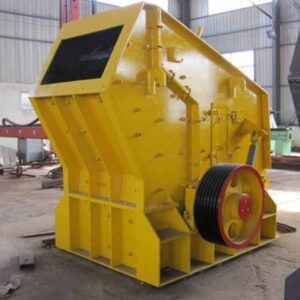
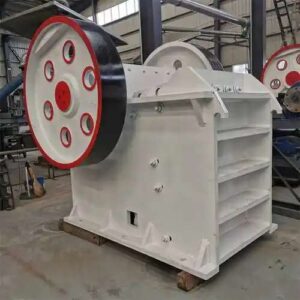
What is a Jaw Crusher in Construction?
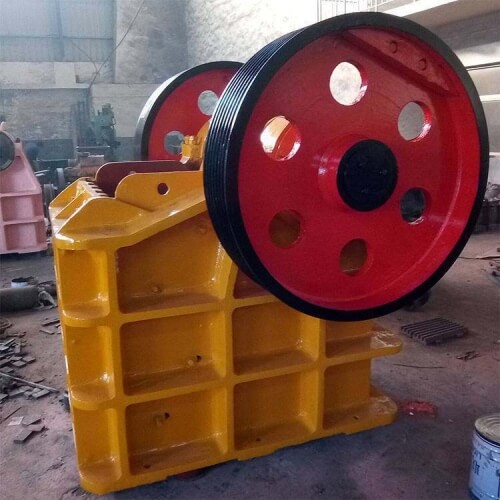
A Jaw Crusher in construction is a heavy-duty machine used to crush large rocks, stones, and construction materials into smaller, manageable sizes. It is widely used in construction sites, quarries, and aggregate production plants. The machine features two plates — one fixed and one movable — that create a crushing chamber. Material is fed into the chamber and crushed as the movable plate applies compressive force against the fixed plate.
What Types of Stones Can a Jaw Crusher in Construction Crush?
Jaw crushers can handle a variety of construction materials, including:
Limestone
Granite
Basalt
Concrete debris
Sandstone
Gravel and river stones
The machine is suitable for both natural stones and recycled construction waste, providing versatility in the construction industry.
Crushing Degree: How Fine Can Jaw Crusher in Construction Break Stones?
The output size depends on the machine’s configuration:
Primary Crushing: Large stones are reduced to 100–300 mm.
Secondary Crushing: Stones can be reduced to 20–100 mm.
Tertiary Crushing: With proper jaw settings, materials can reach 5–20 mm, suitable for concrete or asphalt aggregate.
Working Principle of a Jaw Crusher in Construction
The working principle is straightforward yet effective:
Material is fed into the top of the crushing chamber.
The movable jaw moves back and forth against the fixed jaw.
Material is compressed, crushed, and gradually moves downward due to gravity.
Crushed stones exit from the bottom opening, called the discharge port.
The machine relies on compression rather than impact, making it suitable for hard and abrasive materials.
Features of Jaw Crusher in Construction
High crushing efficiency: Capable of handling large stone volumes.
Durable and robust: Heavy-duty steel construction and wear-resistant jaw plates.
Adjustable output size: Easy to adjust jaw settings for different requirements.
Simple maintenance: Minimal moving parts make it easy to maintain.
Versatile application: Suitable for quarrying, mining, and construction material recycling.
Models and Specifications of Jaw Crusher in Construction
| Model | Feed Opening (mm) | Capacity (t/h) | Motor Power (kW) | Output Size (mm) | Applicable Material |
|---|
| JC-100 | 400×600 | 20–50 | 30 | 20–100 | Limestone, Granite |
| JC-200 | 600×900 | 50–120 | 55 | 20–150 | Basalt, Concrete |
| JC-300 | 800×1200 | 120–250 | 75 | 30–200 | Sandstone, Gravel |
| JC-400 | 1000×1500 | 250–400 | 110 | 50–250 | Hard Rock, Quarry Stone |
How Customers Choose a Jaw Crusher in Construction
When selecting a jaw crusher, consider:
Type and hardness of stone
Required production capacity
Desired output size
Available power and space constraints
Budget and maintenance considerations
Consulting with manufacturers can help match the right model to your specific construction site needs.
Services We Provide for Jaw Crusher in Construction
We offer end-to-end support for our customers:
Pre-sale Consultation: Material analysis, production requirements, and model recommendation.
Customized Design: Adjust jaw size, feed opening, and frame for unique needs.
Installation and Training: On-site setup and operator training for safe, efficient operation.
Maintenance and Spare Parts Supply: Long-term support for uninterrupted operation.
After-sales Service: Technical upgrades, troubleshooting, and performance optimization.
Jaw Crusher in Construction FAQs
Q1: What type of stones is best for jaw crushers?
A: Jaw crushers are ideal for hard and abrasive materials such as granite, basalt, and recycled concrete.
Q2: How often should jaw plates be replaced?
A: Depending on material hardness and usage, wear plates typically last 6–12 months.
Q3: Can jaw crushers be used for recycled construction materials?
A: Yes, they efficiently crush concrete, bricks, and asphalt debris for reuse.
Q4: How to adjust the output size?
A: Adjusting the jaw plate gap changes the final particle size.