What is a Jaw Crusher for Gold Mining?
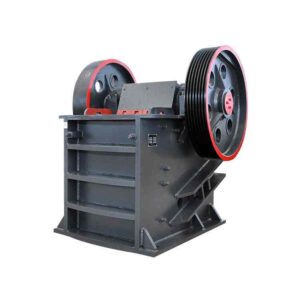
A jaw crusher for gold mining is a primary crushing machine specifically designed to process gold-bearing ores. It operates by compressing the ore between a fixed and a movable jaw plate, breaking large rocks into smaller, manageable pieces suitable for further processing. In gold mining operations, jaw crushers are often the first step in the comminution circuit, reducing raw ore from the mine to a size that can be handled by secondary crushers or grinding mills. These robust machines are engineered to handle hard, abrasive materials like quartz, granite, and gold-hosted sulfides, which are commonly associated with gold deposits.
Why is a Jaw Crusher Suitable for Gold Mining?
Gold mining operations benefit significantly from jaw crushers due to several key factors. First, gold ores are often hard and abrasive, requiring robust crushing equipment. Jaw crushers are built with durable materials and simple, strong designs that withstand such conditions. Second, the primary crushing stage aims to achieve maximum size reduction to liberate gold particles from the host rock, and jaw crushers offer high reduction ratios (typically 6:1 to 8:1). Third, gold mining frequently occurs in remote locations; jaw crushers are known for their reliability, ease of maintenance, and lower operational costs, minimizing downtime. Finally, their versatility allows them to handle varying ore types and sizes, making them ideal for both small-scale artisanal mining and large commercial operations.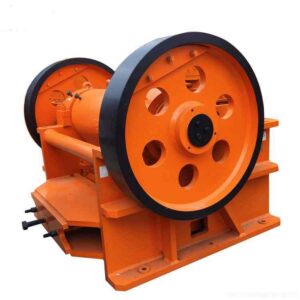
Characteristics of Jaw Crushers in Gold Ore Crushing
Jaw crushers possess distinct features that make them effective for gold ore processing:
High Crushing Efficiency and Reduction Ratio: They effectively break down large ore pieces, facilitating subsequent liberation of gold particles.
Robust Construction: Built with high-strength steel and wear-resistant jaw plates to handle abrasive gold ores.
Simple Adjustment: The gap between jaw plates can be easily adjusted to control product size, optimizing for downstream processes.
Versatile Feeding Size: Can accept large feed sizes directly from the mine, reducing the need for pre-screening.
Reliable Performance: Minimal moving parts and sturdy design ensure continuous operation with low failure rates.
How to Choose the Right Jaw Crusher for Your Gold Mining Operation
Selecting the appropriate jaw crusher involves considering several factors:
Ore Characteristics: Determine hardness, abrasiveness, moisture content, and feed size of your gold ore.
Production Capacity Requirements: Estimate required tons per hour (TPH) based on your operation scale.
Discharge Size Needs: Consider the optimal product size for your processing circuit (e.g., heap leaching, milling).
Power Availability: Ensure adequate power supply for the crusher motor, especially in remote sites.
Mobility Needs: Choose stationary models for fixed plants or mobile/track-mounted units for moving between sites.
Budget and Operating Costs: Balance initial investment with long-term maintenance and energy costs.
Brand and Support: Select reputable manufacturers offering spare parts and technical support.
Production Capacity and Models of Gold Mining Jaw Crushers
Jaw crusher capacities vary widely based on model and settings. Small-scale units may process 1-5 TPH, while large industrial crushers can handle over 1,000 TPH. Common models include:
Small Scale (1-50 TPH): PE-150×250, PE-250×400 – suitable for artisanal miners or pilot plants.
Medium Scale (50-300 TPH): PE-600×900, PE-750×1060 – popular in mid-sized gold mines.
Large Scale (300-1,000+ TPH): PE-1200×1500, PE-1500×1800 – used in large commercial operations.
Mobile jaw crushers (e.g., Metso Lokotrack, Sandvik QJ series) offer flexibility with capacities from 150-700 TPH. Specific output depends on factors like feed size, material hardness, and crusher settings.
Key Considerations When Using a Jaw Crusher for Gold Mining
Proper Feeding: Avoid uneven or oversized feed to prevent blockages and reduce wear.
Regular Maintenance: Inspect and replace wear parts (jaw plates, toggle plates) periodically to maintain efficiency.
Lubrication: Ensure bearings and moving parts are properly lubricated to prevent overheating and failure.
Safety Protocols: Follow lockout/tagout procedures during maintenance and keep guards in place.
Operational Monitoring: Regularly check product size, vibration, and unusual noises to detect issues early.
Dust Control: Implement water sprays or dust suppression systems to protect workers and equipment.
Additional Information
Proper Feeding: Avoid uneven or oversized feed to prevent blockages and reduce wear.
Regular Maintenance: Inspect and replace wear parts (jaw plates, toggle plates) periodically to maintain efficiency.
Lubrication: Ensure bearings and moving parts are properly lubricated to prevent overheating and failure.
Safety Protocols: Follow lockout/tagout procedures during maintenance and keep guards in place.
Operational Monitoring: Regularly check product size, vibration, and unusual noises to detect issues early.
Dust Control: Implement water sprays or dust suppression systems to protect workers and equipment.
Frequently Asked Questions (FAQs) about Jaw Crusher for Gold Mining
Q: What is the average lifespan of jaw plates in gold ore crushing?
A: Depending on ore abrasiveness, jaw plates typically last 3-12 months in continuous operation.
Q: Can jaw crushers handle wet or sticky gold ores?
A: They can, but efficiency may decrease; pre-screening or drying might be necessary for very sticky materials.
Q: What maintenance is most critical for jaw crushers in gold mining?
A: Regular inspection and replacement of wear parts, along with proper lubrication, are crucial.
Q: Are mobile jaw crushers suitable for gold mining?
A: Yes, especially for alluvial or scattered deposits where equipment needs to be relocated frequently.
Q: How much power does a medium-sized jaw crusher require?
A: A 50-100 TPH crusher typically requires 55-110 kW, depending on the model and material hardness.
Q: Can I use a jaw crusher alone for gold processing?
A: No, it’s only the first stage; additional crushing, grinding, and extraction processes are needed to recover gold.