What is a Hydraulic Jaw Crusher?
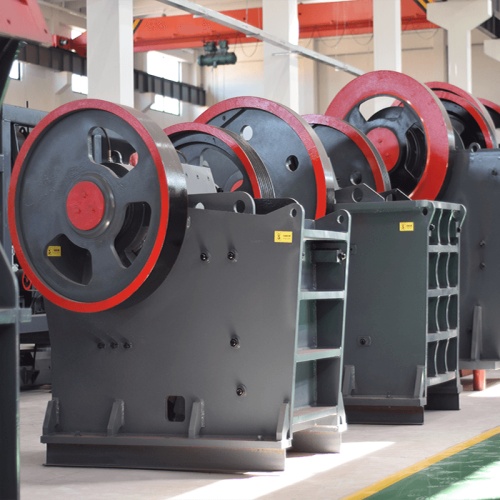
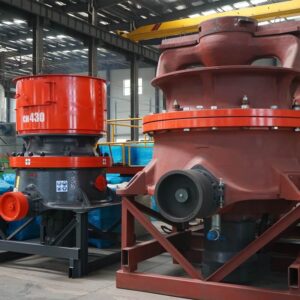
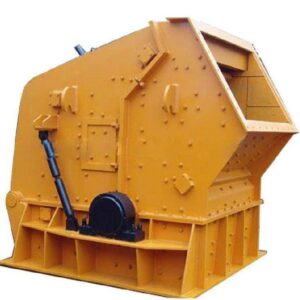
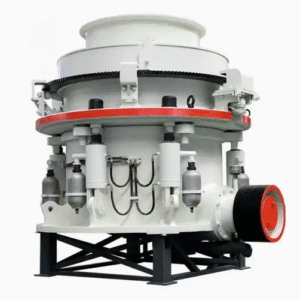
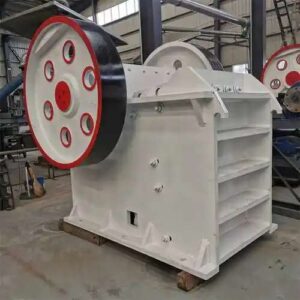
A Hydraulic Jaw Crusher is a type of crushing equipment that uses hydraulic pressure to control the movement of the swing jaw. Unlike traditional jaw crushers that rely purely on mechanical force, the hydraulic system allows for easier adjustment, overload protection, and faster clearing of material blockages. This makes it an ideal choice for mining, construction, and aggregate production.
Materials That Can Be Crushed by a Hydraulic Jaw Crusher
Hydraulic Jaw Crushers are versatile and can handle a wide range of materials, including:
Hard rocks: granite, basalt, quartz
Medium-hard materials: limestone, dolomite
Minerals: iron ore, copper ore, gold ore
Recycled materials: concrete, asphalt
This flexibility allows hydraulic jaw crushers to be used in mining, quarrying, and recycling applications.
Features of Hydraulic Jaw Crushers
Hydraulic Adjustment: Easy gap adjustment for output size control.
Overload Protection: Prevents damage from uncrushable materials.
High Crushing Efficiency: Optimized jaw design ensures faster crushing.
Low Maintenance: Hydraulic systems reduce manual labor and wear.
Safety: Automatic clearing reduces the risk of operator injury.
Working Principle of Hydraulic Jaw Crusher
The hydraulic jaw crusher works by using a hydraulic cylinder to push the swing jaw against the fixed jaw. When material enters the crushing chamber, the jaw compresses and crushes it. The hydraulic system allows the jaw to retreat automatically if the material is too hard, preventing damage. Once the blockage is cleared, the crusher returns to normal operation.
Advantages of Hydraulic Jaw Crushers
Flexible Adjustment: Easily change output size without stopping production.
Energy Saving: Efficient design reduces power consumption.
Durability: Heavy-duty construction ensures long service life.
Low Noise & Dust: Hydraulic control reduces vibration and dust generation.
Easy Maintenance: Hydraulic components simplify repairs and reduce downtime.
Models and Specifications of Hydraulic Jaw Crushers
| Model | Feed Size (mm) | Capacity (t/h) | Motor Power (kW) | Weight (t) |
|---|
| HJ-1000 | 0-1000 | 100-250 | 110-160 | 25 |
| HJ-1200 | 0-1200 | 150-350 | 132-200 | 38 |
Frequently Asked Questions (FAQ)
Q1: Can hydraulic jaw crushers crush very hard rocks?
A: Yes, with the hydraulic overload protection, they can safely crush granite, basalt, and other hard rocks.
Q2: How often should the hydraulic oil be changed?
A: Typically, every 1000-1500 operating hours, depending on working conditions.
Q3: Can the output size be adjusted during operation?
A: Yes, the hydraulic adjustment system allows on-the-fly changes without stopping production.