gravel crusher cone
What is a Gravel Crusher Cone?
A gravel crusher cone, commonly known as a cone crusher, is a robust crushing machine used in aggregate processing plants. It is designed to reduce large rocks, stones, and ores into smaller gravel-sized pieces through a compression crushing mechanism. The machine features a conical head that gyrates within a concave bowl, effectively breaking down materials into uniform, cubical aggregates ideal for construction and road building.
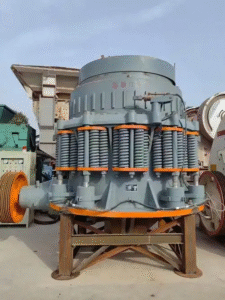
Materials Crushed by Gravel Crusher Cone
Gravel crusher cones are versatile and capable of processing a wide range of hard and abrasive materials, including:
Granite, basalt, and other igneous rocks
Limestone, sandstone, and other sedimentary rocks
Quartzite, river gravel, and recycled concrete
Ores such as iron ore and copper ore
Key Features of Gravel Crusher Cone
High Crushing Efficiency: Delivers continuous and high-volume output with low energy consumption.
Uniform Product Size: Produces evenly shaped aggregates with minimal fines.
Durable Construction: Built with high-quality manganese steel or alloy liners to withstand wear.
Hydraulic Adjustment System: Allows easy setting changes and clearing of blockages.
Versatility: Suitable for secondary, tertiary, and quaternary crushing stages.
Working Principle of Gravel Crusher Cone
The cone crusher operates by compressing materials between a rotating mantle (movable cone) and a stationary concave (bowl liner). As the mantle gyrates eccentrically, it creates a narrowing crushing chamber where rocks are squeezed and fractured. The crushed material then exits through the discharge opening at the bottom, with the size determined by the gap between the mantle and concave.
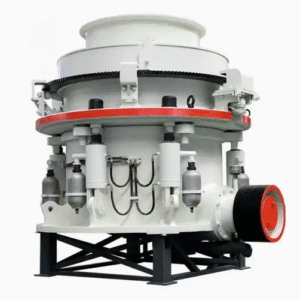
Performance and Advantages
High Productivity: Capable of processing large volumes of material continuously.
Energy Efficient: Advanced crushing chamber design reduces power consumption.
Low Operational Costs: Long-lasting wear parts and minimal maintenance requirements.
Excellent Particle Shape: Produces cubicle aggregates that enhance material compaction and strength.
Automation Compatibility: Can be integrated with modern control systems for optimized operation.
How to Choose the Right Gravel Crusher Cone
Selecting the appropriate cone crusher depends on several factors:
Material Hardness and Abrasiveness: Choose a model with adequate crushing force and wear-resistant liners.
Desired Output Size and Capacity: Match the crusher’s setting range and throughput with your production goals.
Crushing Stage: Decide between secondary, tertiary, or fine crushing models.
Power Source and Mobility: Opt for stationary, portable, or track-mounted units based on site requirements.
Brand and After-Sales Support: Select reputable manufacturers offering reliable service and spare parts.