What Are Aggregate Processing Plants?
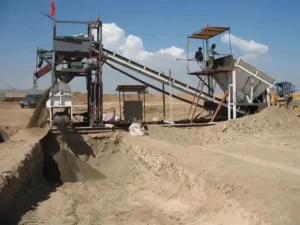
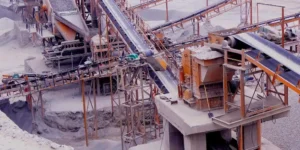
Aggregate Processing Plants are specialized facilities designed to crush, screen, and wash raw materials like rock, sand, and gravel into specific sizes for use in various industries. Essentially, they transform raw, unprocessed mineral deposits into the high-quality, graded aggregates that form the foundation of construction and infrastructure projects worldwide. These plants are complex systems of interconnected machinery that work together to produce the exact materials required.
Key Components of Aggregate Processing Plants
A complete aggregate processing plant is composed of several key pieces of equipment. While configurations vary, a standard plant typically includes:
Primary Crusher: The first and most powerful crusher (e.g., jaw crusher) that breaks down large rocks into smaller, manageable pieces.
Secondary Crusher: Further reduces the material size (e.g., cone crusher or impact crusher) to create more uniform particles.
Tertiary Crusher: Used for precision crushing to produce specific, finer product shapes and sizes.
Screening Equipment: Vibrating screens separate the crushed material into different size fractions (e.g., sand, gravel, crushed stone).
Conveyors: A network of belts that transport material between different stages of the crushing and screening process.
Feeders: Regulate the flow of raw material into the crushers to ensure efficient and consistent operation.
Washing Systems: Clean the aggregates to remove dirt, clay, and other contaminants, which is crucial for high-specification applications like concrete.
What Materials Can Aggregate Processing Plants Crush?
These plants are highly versatile and can process a wide range of hard and abrasive materials, including:
Granite & Basalt: Hard, durable igneous rocks ideal for high-strength concrete and road base.
Limestone: A softer sedimentary rock, commonly used for cement production and agricultural lime.
Sandstone: Used in construction and as a paving material.
Gravel and Sand: Naturally occurring deposits that are sorted and washed.
Recycled Concrete and Asphalt: Crushed and reused as a sustainable and cost-effective aggregate for new construction projects.
Ores and Industrial Minerals: In some cases, these plants are adapted for initial processing of mined ores.
Primary Industries Served by Aggregate Processing Plants
The aggregates produced by these plants are fundamental to modern society. Key industries that rely on them are:
Construction: For producing concrete, mortar, and structural fill.
Road and Highway Building: For creating base layers, asphalt pavement, and drainage systems.
Railway Construction: For providing ballast that supports railway tracks.
Civil Engineering Projects: Used in dams, bridges, ports, and other large-scale infrastructure.
Landscaping and Agriculture: For decorative purposes, erosion control, and soil conditioning.
Custom Aggregate Processing Plants Tailored to Your Needs
We understand that every project has unique requirements. That’s why we don’t believe in a one-size-fits-all approach.
Custom-Designed Plants: We work closely with our clients to design and engineer plants that meet specific material, output, and site condition challenges.
Plants for Every Production Goal: Whether you need a compact, portable plant for a small quarry or a massive, high-capacity stationary plant for a large mining operation, we provide solutions across the entire output spectrum. Our range includes plants with varying production yields to ensure optimal efficiency and profitability for your business.
End-to-End Project Support: From initial consultation and plant design to installation and after-sales service, we provide comprehensive solutions to ensure your aggregate processing plant delivers maximum value and performance.
Contact us today to discuss your project requirements. Let our experts provide you with a tailored solution for your aggregate processing needs.