Jaw Crusher In Mining
Table of Contents
Jaw Crusher In Mining supplier
What Is a Jaw Crusher in Mining?
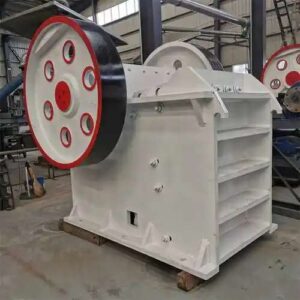
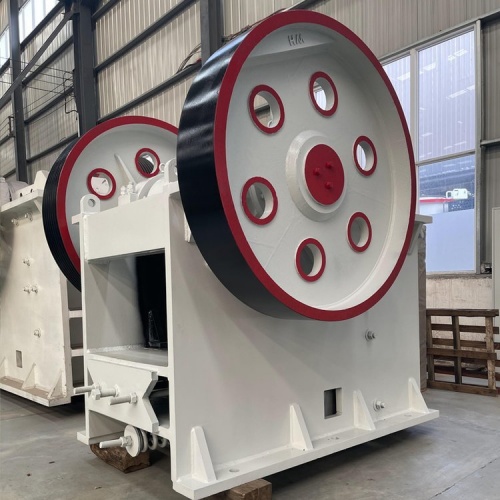
A jaw crusher in mining is a primary crushing machine designed to reduce large rocks or ores into smaller, manageable sizes. It is one of the most widely used pieces of equipment in mining operations because of its simple structure, high reliability, and strong crushing capability.
In most mining plants, the jaw crusher is the first stage of the crushing process. Large ore materials extracted from mines are fed into the jaw crusher, where they are compressed between two heavy-duty plates called jaws. Through this compression process, the materials are broken into smaller pieces that can be further processed by secondary crushers such as cone crushers or impact crushers.
Jaw crushers are commonly used in metal mines, non-metal mines, quarries, and construction material production lines.
What Materials Can Jaw Crushers Crush in Mining?
Jaw crushers are designed to handle a wide range of hard and abrasive materials commonly found in mining operations.
Typical materials processed by jaw crushers include:
Iron ore
Copper ore
Gold ore
Manganese ore
Granite
Basalt
Limestone
Quartz
River stone
Construction waste and concrete
Because of their strong compressive crushing force, jaw crushers are particularly suitable for materials with compressive strength up to 320 MPa.
This versatility makes them essential equipment for both small-scale mining operations and large industrial mines.
Feed Size and Production Capacity of Jaw Crushers
Jaw crushers are capable of handling large feed sizes and producing a wide range of output capacities depending on the model.
Typical feed size ranges from:
200 mm to 1200 mm
Output sizes can usually be adjusted between:
20 mm and 150 mm
Production capacity may vary significantly depending on the machine size, typically ranging from:
5 tons per hour to over 800 tons per hour
For large mining projects, heavy-duty jaw crushers with large feed openings are commonly used to ensure continuous high-capacity production.
Common Jaw Crusher Models in the Mining Market
There are many jaw crusher models available in the global mining equipment market. Some of the most commonly used series include:
PE Series Jaw Crusher
The PE series is the traditional and widely used jaw crusher design. It is suitable for primary crushing and is known for its simple structure and reliable performance.
PEX Series Jaw Crusher
PEX jaw crushers are typically used for secondary crushing and produce finer output sizes.
European Type Jaw Crusher
This newer generation jaw crusher features improved structure, stronger crushing force, and higher efficiency.
Mobile Jaw Crusher
Mobile jaw crushers integrate the crusher with a mobile chassis, making them ideal for mining sites that require flexible operations.
The most popular models in the market include:
| Model | Feed Opening | Max Feed Size | Capacity |
|---|---|---|---|
| PE250×400 | 250×400 mm | 210 mm | 5–20 t/h |
| PE400×600 | 400×600 mm | 340 mm | 16–60 t/h |
| PE500×750 | 500×750 mm | 425 mm | 40–110 t/h |
| PE600×900 | 600×900 mm | 500 mm | 50–160 t/h |
| PE750×1060 | 750×1060 mm | 630 mm | 110–320 t/h |
| PE900×1200 | 900×1200 mm | 750 mm | 220–450 t/h |
Working Principle of Jaw Crusher in Mining
The working principle of a jaw crusher is based on the compressive force generated between a fixed jaw plate and a moving jaw plate.
When the motor drives the eccentric shaft through a belt and pulley system, the moving jaw begins to move back and forth. As the moving jaw approaches the fixed jaw, the material inside the crushing chamber is compressed and crushed.
When the moving jaw moves away from the fixed jaw, the crushed material falls downward due to gravity and exits through the discharge opening.
This continuous cycle of compression and release enables the jaw crusher to process large volumes of material efficiently.
Advantages and Features of Jaw Crushers in Mining
Jaw crushers remain one of the most reliable crushing machines in mining because of several important advantages.
Strong crushing capability
They can handle extremely hard materials.
Simple and durable structure
Fewer moving parts mean lower maintenance costs.
Large feed opening
Allows large rocks to be processed directly.
Stable and continuous operation
Suitable for long-term mining operations.
Adjustable discharge size
Operators can control the final product size.
Long service life
Wear parts such as jaw plates can be replaced easily.
How to Choose the Right Jaw Crusher for Mining
Choosing the right jaw crusher requires evaluating several key factors.
First, consider the maximum feed size of the ore. The crusher’s feed opening must be large enough to handle the largest pieces of material.
Second, determine the required production capacity. Larger mining operations require high-capacity crushers.
Third, evaluate the hardness and abrasiveness of the material, as this affects wear part selection and machine durability.
Finally, consider the overall crushing process design, including secondary crushers, screening equipment, and conveyors.
Working with an experienced equipment supplier can help ensure the crusher is properly matched to the mining project.
How to Choose the Latest Jaw Crusher Technology
Modern jaw crushers incorporate new technologies that improve performance and efficiency.
Features to look for include:
Hydraulic adjustment of discharge opening
Improved bearing systems
Optimized crushing chamber design
Higher crushing ratios
Energy-saving motors
Intelligent control systems
These improvements help mining companies reduce energy consumption, increase production efficiency, and lower maintenance costs.
Jaw Crusher in Mining FAQ
What is the typical lifespan of a jaw crusher?
With proper maintenance, a jaw crusher can operate for 10–20 years in mining applications.
What are the main wear parts?
The main wear parts include jaw plates, toggle plates, and cheek plates.
Can jaw crushers handle very hard rock?
Yes, jaw crushers are specifically designed to crush hard and abrasive rocks.
Related Articles