The CH660 Cone Crusher: A Robust Solution for Mid-Range Crushing
When it comes to reliable and efficient secondary and tertiary crushing, the Sandvik CH660 cone crusher stands out as a premier choice for quarrying, mining, and aggregate production. This isn’t just another piece of machinery; it’s a workhorse engineered for consistent performance under demanding conditions. If you’re looking to optimize your crushing circuit for mid-range applications, understanding the CH660 is crucial. Let’s break down what makes this crusher tick and why it might be the right fit for your operation.
What Exactly is the CH660 Cone Crusher?
The Sandvik CH660 is a hydraulically adjusted cone crusher designed for the mid-range segment. Think of it as the dependable middle-weight champion in Sandvik’s renowned CH series. It’s built to handle high-capacity duties as a secondary or tertiary crusher, transforming larger feed material from a primary jaw crusher into precisely sized aggregates or preparing ore for further mineral processing. Its robust design and advanced automation system make it a key player in modern, high-output plants.
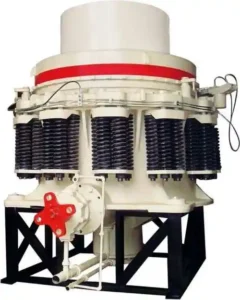
How Does the CH660 Cone Crusher Work?
At its core, the CH660 operates on the tried-and-true principle of compressive crushing. The heart of the machine is a heavy-duty eccentric shaft that causes the mantle (the moving crushing surface) to gyratory press against the concave (the fixed liner). As feed material enters the top of the crusher chamber, it gets squeezed and crushed between these two surfaces as they move. The hydraulic system allows for easy adjustment of the crusher setting (CSS – Closed Side Setting), which directly controls the final product size. An advanced ASRi™ (Automatic Setting Regulation) system can be integrated to automatically compensate for liner wear and maintain consistent product gradation, taking a lot of guesswork out of the operation.
What Materials Can the CH660 Crush?
This crusher is no one-trick pony. It’s built to process a wide variety of hard and abrasive materials. You’ll commonly find it crushing:
Granite, Basalt, and other hard rock for high-quality construction aggregates.
Iron ore, Copper ore, and other metallic ores in mineral processing plants.
Limestone and Dolomite for aggregate or industrial uses.
Sandstone and Gravel.
The key is its versatility; with different crushing chamber profiles and eccentric throws available, it can be fine-tuned to suit specific material characteristics and desired product shapes, from chunky aggregate to finer mill feed.
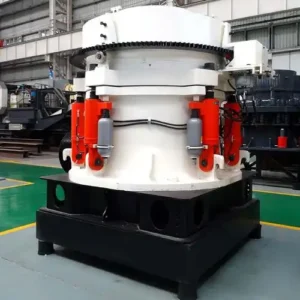
Where is the CH660 Used? Key Industries
The CH660 finds its home in industries where reliability and output matter most:
Aggregate Production: The bread and butter application. It’s a staple in quarries and sand & gravel pits producing aggregates for concrete, asphalt, and road base.
Mining: Used extensively for secondary/tertiary crushing in both metallic and non-metallic mining operations to size run-of-mine ore for further processing.
Construction & Infrastructure Projects: Often deployed in large project sites requiring on-site aggregate production.
Industrial Minerals: Processing materials like limestone for cement or agricultural lime.
Why Choose the CH660? Key Advantages & Features
Here’s where the CH660 really proves its worth—it’s packed with features that translate to real-world benefits:
Robust Construction: A heavy-duty design with a strong eccentric throw provides high capacity and reliability.
Hydroset™ System: Allows quick and easy CSS adjustments under load via a simple button press, maximizing uptime.
ASRi™ Automation Compatibility: This intelligent system optimizes performance, protects the crusher from overload, and maintains consistent product quality with minimal operator intervention.
Versatile Chamber Options: A range of concave and mantle profiles lets you match the crusher to your specific feed and product requirements.
Ease of Maintenance: Designed with serviceability in mind. Key components are accessible, and liner changes can be managed efficiently.
What to Watch Out For: Operational Considerations
Even the best equipment needs smart operation. Keep these points in mind:
Correct Feed: Ensure the feed size distribution is within specification and that the crusher is not being fed metal or other uncrushables. Proper pre-screening is essential.
Liner Health: Regularly monitor liner wear. Running with excessively worn liners not only hurts product quality but can damage other components.
Oil & Lubrication: The hydraulic system and lubrication system are its lifeblood. Use the correct oil, maintain cleanliness, and monitor temperatures and pressures religiously.
Power Draw Monitoring: Keeping an eye on the crusher’s power draw is a great way to understand its load and optimize efficiency.
How to Choose the Right CH660 for Your Needs
Selecting a crusher isn’t a one-size-fits-all decision. When considering a CH660, ask yourself and your supplier these questions:
Feed Material: What is the hardness, abrasiveness, and maximum feed size?
Desired Output: What final product sizes and hourly tonnage do you need?
Circuit Role: Will it be used for secondary or tertiary crushing? This determines the optimal chamber selection.
Future Plans: Consider if your needs might change. The CH660’s flexibility with chambers and settings can offer some future-proofing.
Support Availability: Ensure you have access to genuine spare parts and technical support locally. A crusher is a long-term investment.
Beyond the Basics: Additional Insights
The CH660 isn’t just about raw power; it’s about smart crushing. One often overlooked aspect is its contribution to overall plant efficiency. By producing a well-shaped, consistently sized product, it reduces recirculating load and takes pressure off downstream screening and crushing stages. Furthermore, its relatively compact footprint for its capacity makes it suitable for plants where space is at a premium. Many operators also praise its relatively lower operational noise levels compared to some alternatives, which is a significant benefit for environmental compliance and worker well-being. Remember, pairing it with the right feeding arrangement and downstream equipment is just as critical as the crusher itself to unlock its full potential.