What is a Single Rotor Impact Crusher?
A Single Rotor Impact Crusher is a robust, heavy-duty machine designed for primary, secondary, or tertiary crushing of medium-hard to hard materials. It features a single rotating rotor equipped with hardened impact hammers or blow bars that strike and shatter incoming feed against adjustable breaker plates. This type of crusher is highly versatile and can efficiently process a wide variety of materials, including limestone, concrete, asphalt, demolition debris, natural stone, and industrial minerals like gypsum or coal. Depending on the model size, feed material, and desired output gradation, the production capacity of a single rotor impact crusher typically ranges from 50 to 500 tons per hour (TPH), making it suitable for both small-scale operations and larger aggregate production plants.
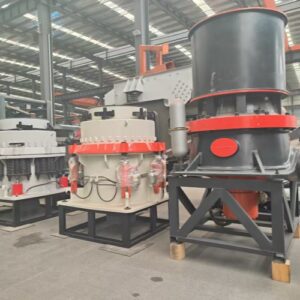
How Does It Work? The Crushing Process Explained
The working principle of a Single Rotor Impact Crusher revolves around high-speed impact and kinetic energy transfer. The core component is a large, heavy rotor that spins at high velocity. As material is fed into the crusher’s feed opening, it enters the crushing chamber and is immediately struck by the rapidly rotating hammers mounted on the rotor. This initial impact propels the material toward the breaker plates or impact aprons lining the chamber walls.
The crushing process is dynamic and occurs in three key stages:
Primary Impact: Material is first hit by the hammers and thrown against the primary breaker plate, causing initial fracturing.
Secondary Shattering: Smaller pieces rebound back into the rotor’s path or collide with other incoming feed, creating inter-particle collision and further breakage.
Gradation Control: The final particle size is controlled by adjusting the gap between the rotor and the breaker plates, as well as the speed of the rotor. The crushed material exits through the bottom opening once it reaches the desired size.
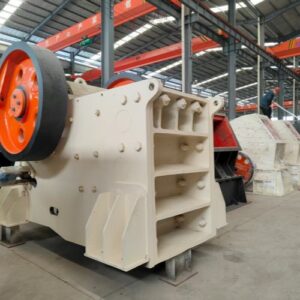
How to Choose the Right Single Rotor Impact Crusher
Selecting the right Single Rotor Impact Crusher depends on several practical factors. First, clearly define your primary feed material (hardness, abrasiveness, moisture content) and your target output size. Then, match these with the crusher’s rotor diameter and width, which directly influence capacity and product shape. Pay close attention to the hammer/blow bar design and material – they should be easily replaceable and suited for your material’s abrasiveness. Also, evaluate the adjustment system for the breaker plates; hydraulic systems allow for quicker and safer adjustments. Don’t forget to consider the drive motor power and ensure your operation can support it. Finally, think long-term: choose a design with good service accessibility to minimize downtime for maintenance and parts replacement.
Key Features, Performance & Advantages for the User
From an operator’s perspective, a well-built Single Rotor Impact Crusher delivers tangible benefits. Its standout feature is producing a well-shaped, cubicle end product with fewer elongated flakes, which is highly valued in concrete and asphalt production. The high reduction ratio means you can often achieve your target size in a single stage, simplifying your circuit layout. Users appreciate the robust, simple construction leading to reliable operation with fewer breakdowns. Maintenance is straightforward – the main wear parts (hammers, breaker plates) are designed for easy replacement. Furthermore, these crushers offer good flexibility; by simply adjusting the rotor speed or breaker plate gap, you can fine-tune the output for different product specifications without major modifications.
Custom Solutions to Meet Your Specific Needs
We understand that every crushing operation has unique challenges and goals. That’s why we don’t just offer standard models. Based on your specific requirements, we can provide a tailored Single Rotor Impact Crusher solution. Whether you need special wear protection for highly abrasive materials, a custom feed opening for your specific loader size, or integration with your existing plant automation system, our engineering team can work with you. We can configure the right rotor kinetics, chamber geometry, and auxiliary components to optimize performance for your exact material and output goals. Tell us your needs, and we’ll help you build the machine that delivers the return on investment you expect.